Schuylkill Strata
LARC-401 Studio Design 7: Urban Design II | Professor Jessica Wolff | Autumn 2025
AutoCAD, SketchUp, Rhino, Procreate, Adobe Photoshop, Illustrator, InDesign
Submitted as part of the Design Philadelphia 2026 Edmund N. Bacon Student Design Competition
Group Project with Emily Luckenbach, Soleil Jevtitch, James Schroeder, and Shane Young
The Design Philadelphia 2026 Edmund Bacon Student Design Competition challenged us to reimagine the former University of the Sciences campus in West Philadelphia, just as its successor, St. Joseph’s University, abdicated the city campus.
What was left behind was a collection of various academic buildings: classrooms, dormitories, gymnasiums, offices. But aside from a historic Classical Revival facade, the campus was a scar on the West Philadelphia neighborhood, with excessive surface parking lots and a lack of a cohesive identity beyond “college campus.” Now that the college was leaving, the site yearned to become something greater.
As a team, we dug through the complex history of West Philadelphia and the legacy of Urban Renewal, the concept that Bacon’s work directly inspired. With a wide brush, neighborhoods and communities were demolished, while ecologies and ecosystems were buried. Our proposal focused on reconstituting those fractured relationships and start rebuilding community from the ground up.
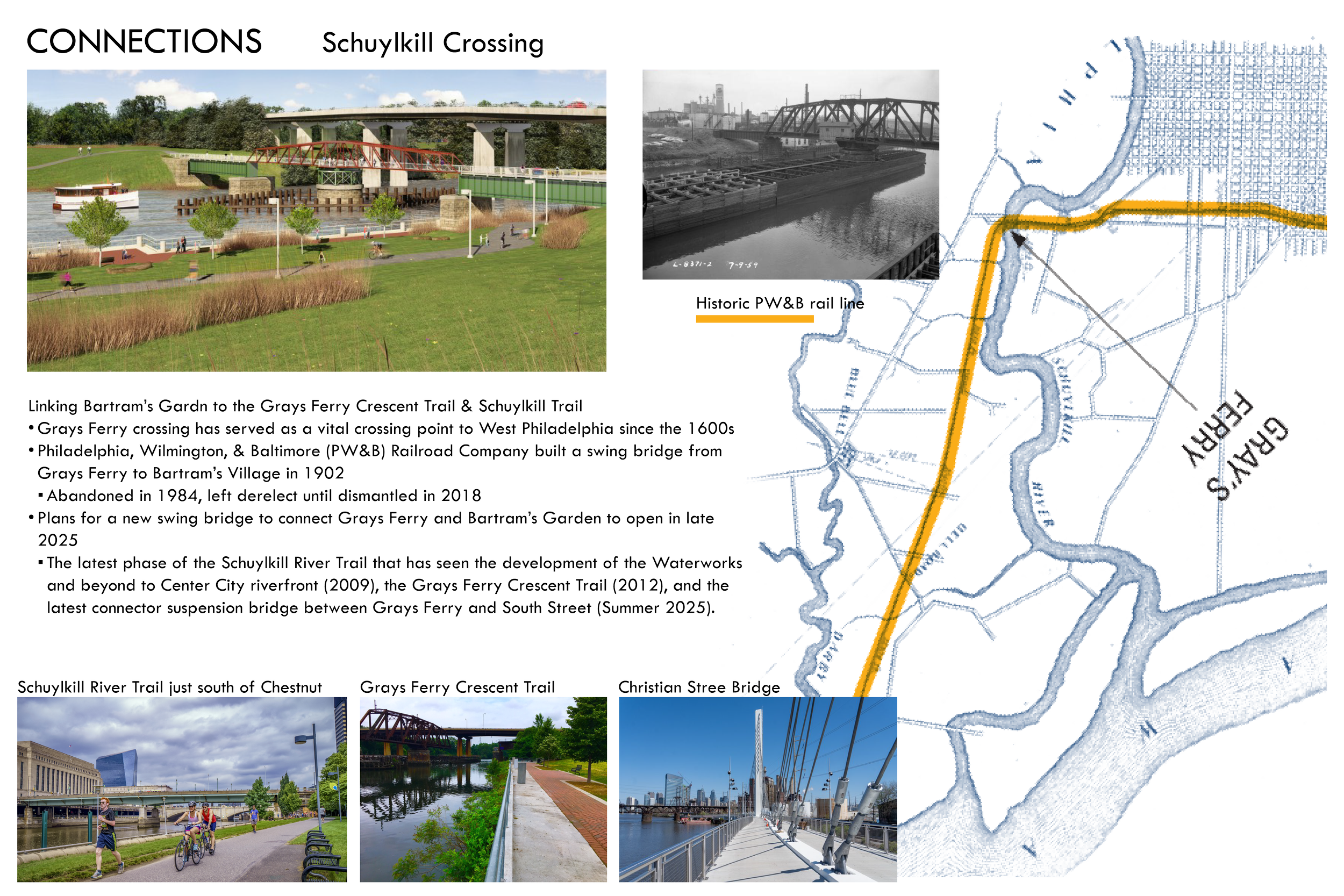
Our proposal for the site is radical. While we leveraged the building inventory and repurposed it for the community, we reimagined much of the site to create a green beltway corridor spanning from Bartram’s Garden, through our site to the Woodlands Cemetery and Clark Park. Our interventions followed the wisdom of nature: finding historic streams as natural pathways, converting parking lots into meadow walks, and transforming parkways into walkways.
Although we did not win the design competition, I am so grateful to have had this experience to work so closely with my graduating cohort and represent Jefferson’s landscape program with pride.
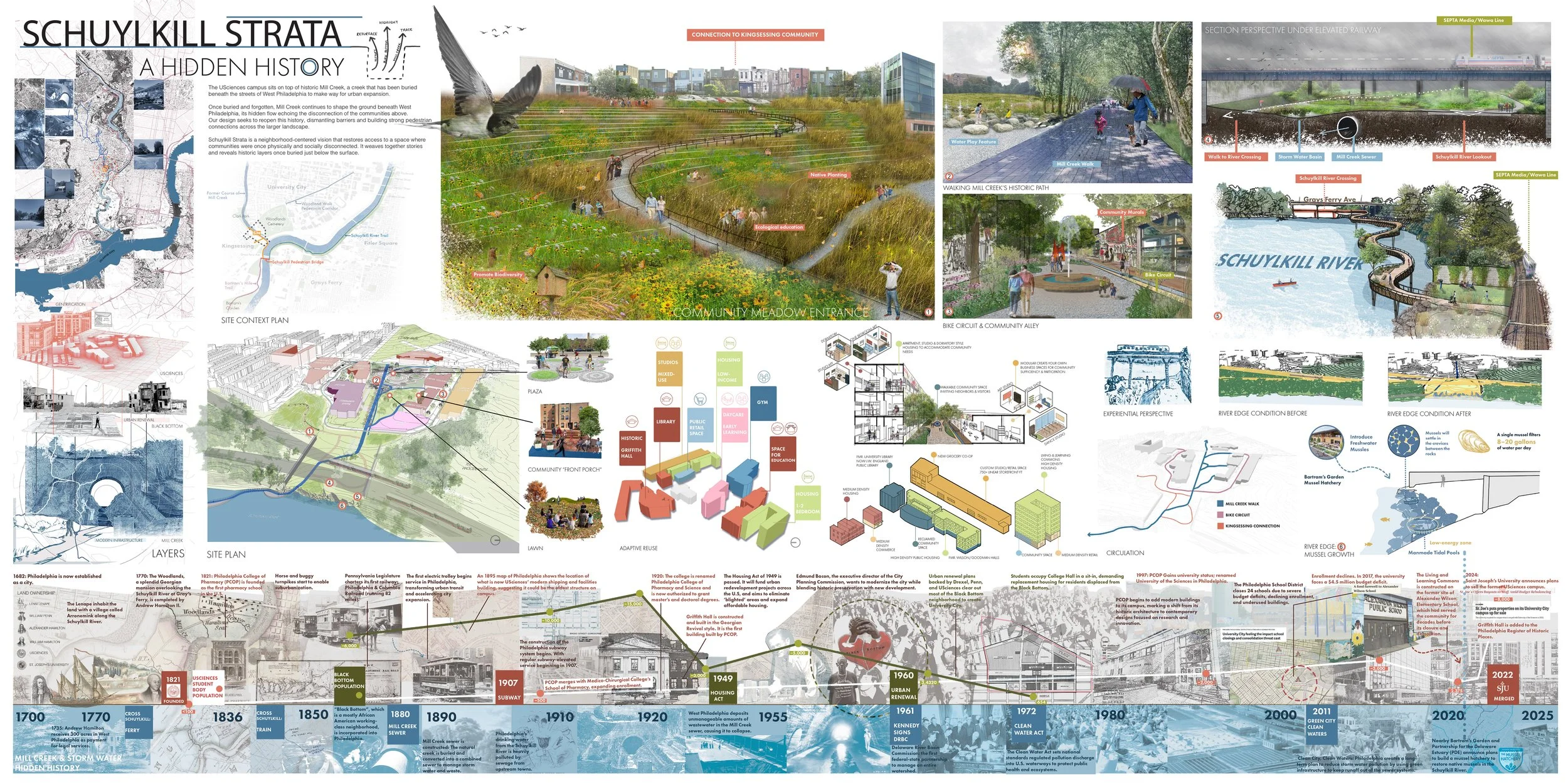
Full Presentation Board for the 2026 Design Philadelphia Edmund Bacon Student Design Competition
INTERVENTIONS & RECOMMENDATIONS
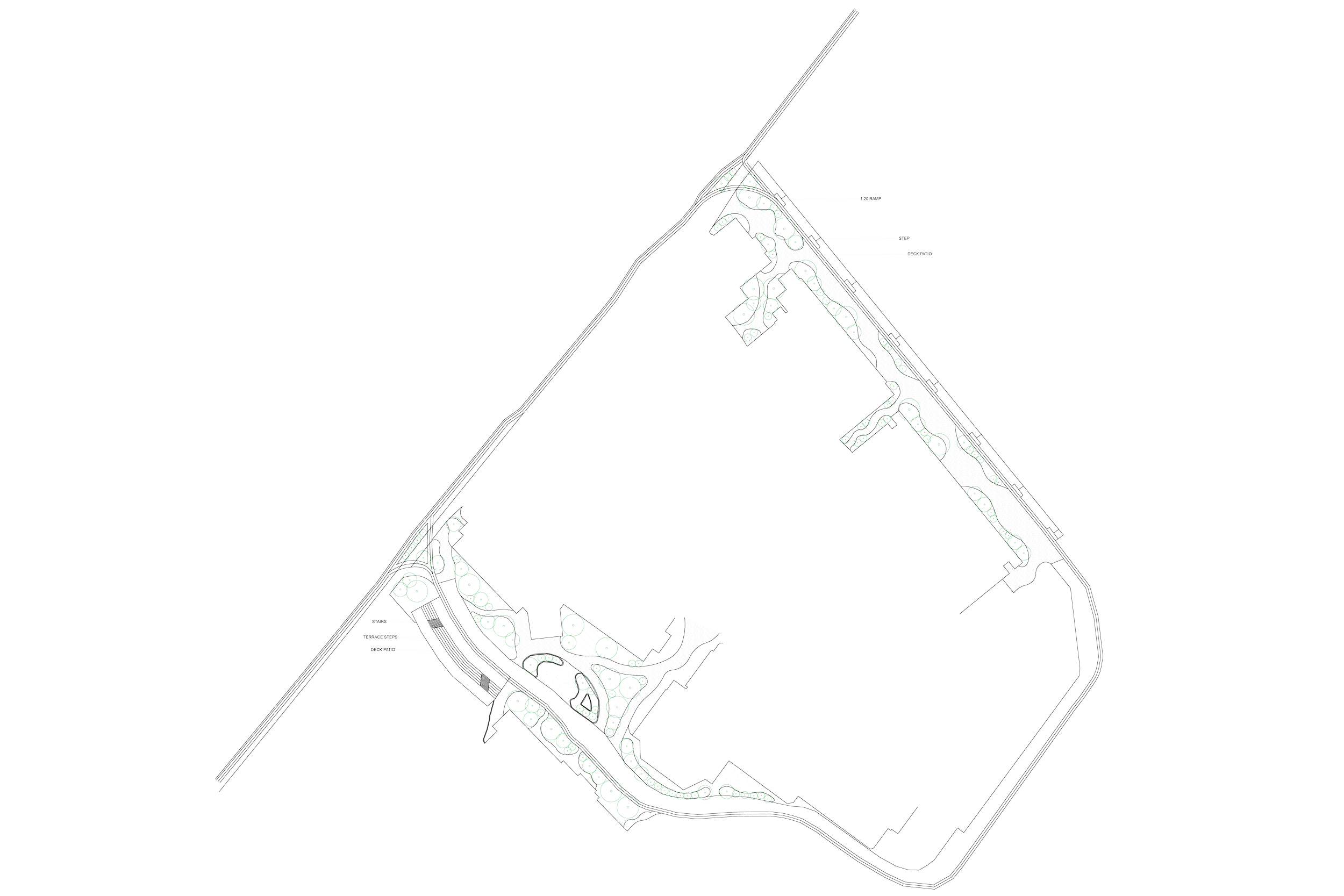
SITE PLAN: CIRCULAR CONNECTIONS
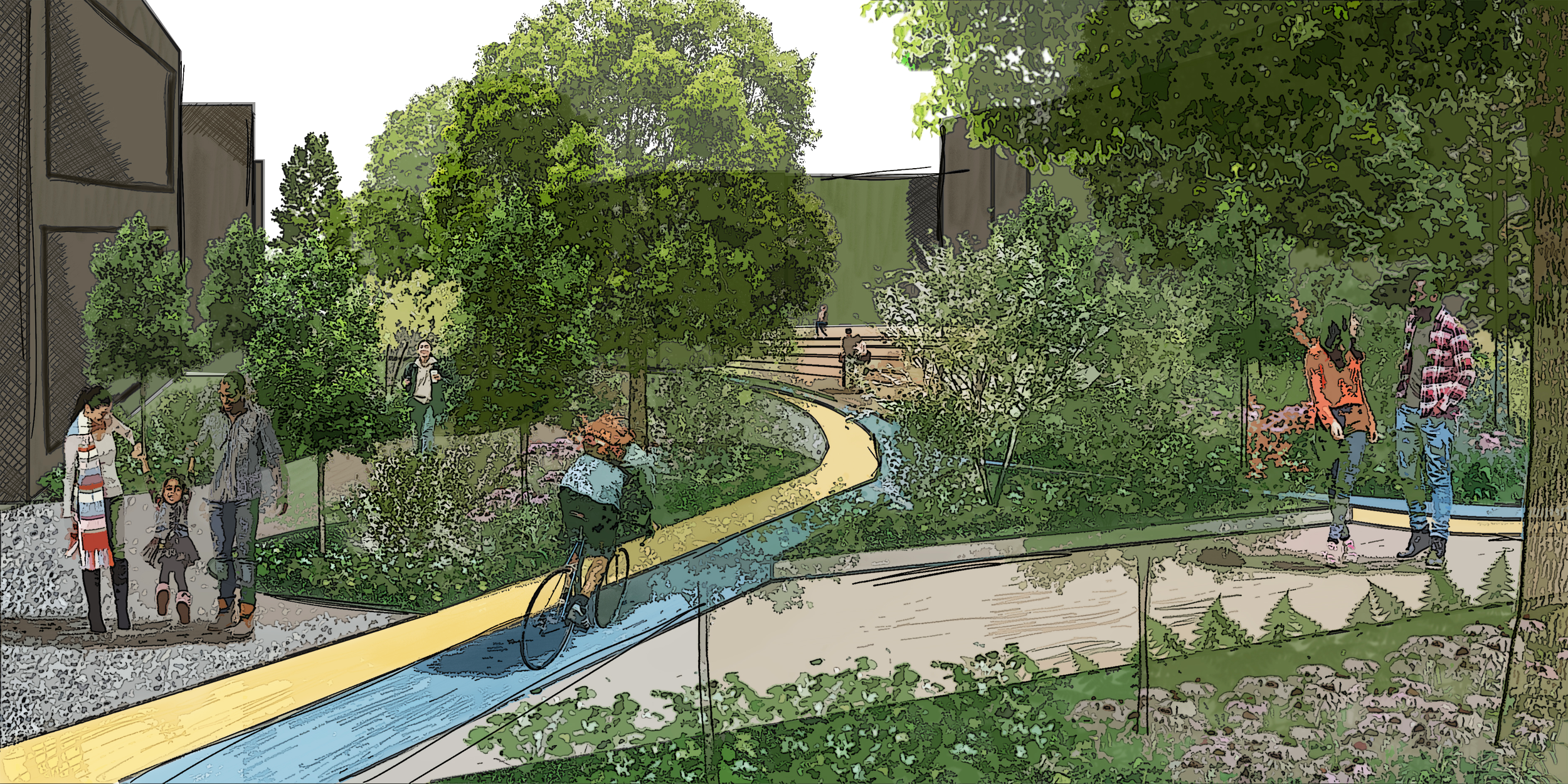
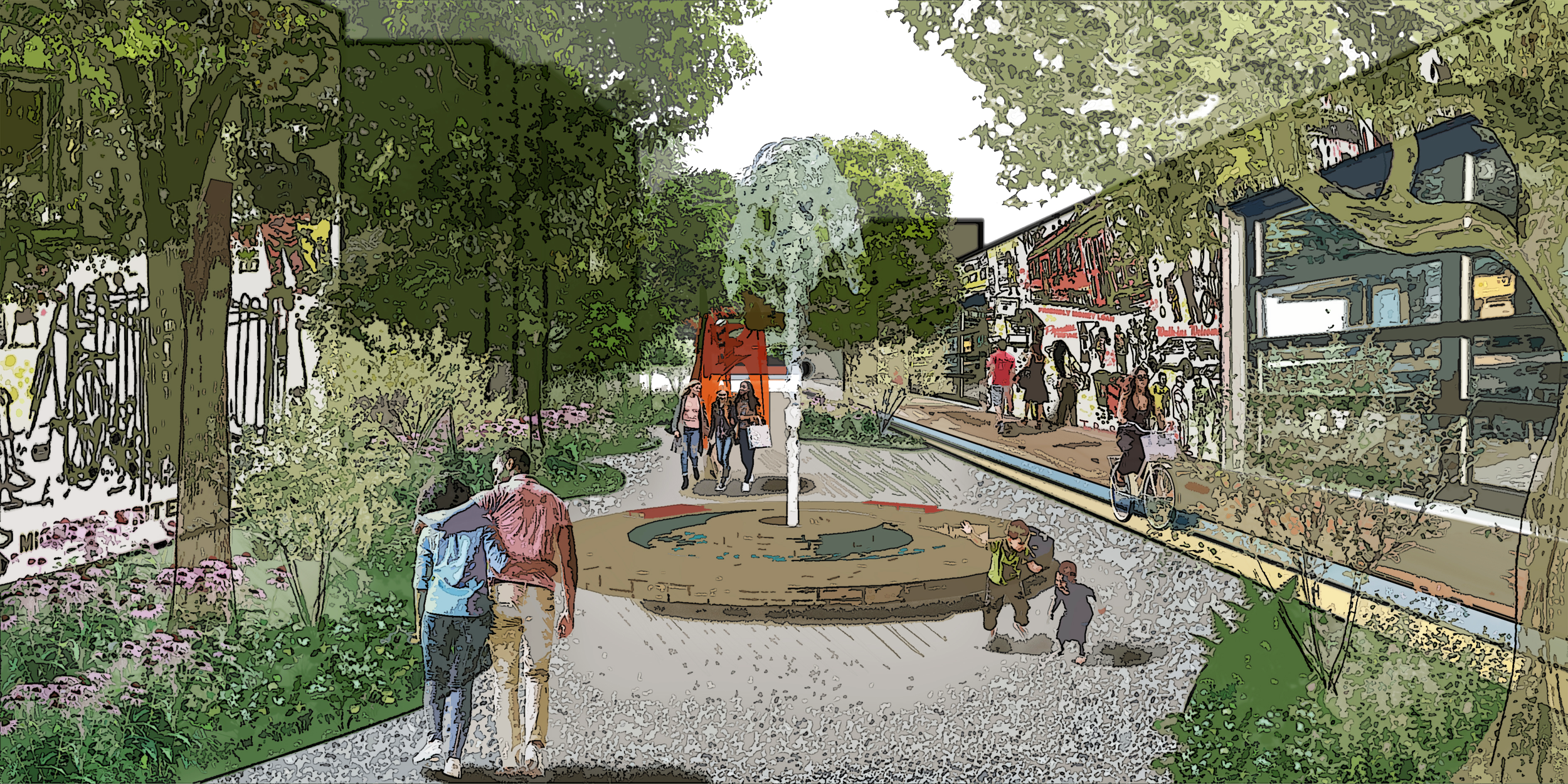
My first design assignment was the exterior circulation around the campus. Converting two access roads into walkable, highly planted, activated pedestrian space injects life and engagement into the site. This allows space for commercial and residential frontage that feels like a place and a neighborhood, rather than just a barren abandoned academic or industrial corridor.
The mixed-use promenade creates useable and livable space for the entire community. The landscape invites visitors, residents, and business owners alike to interact with each other in a vibrant space, enabling strong community, economy, and identity to form.
An inviting entrance to the site with clearly delineated walking and biking pathways encourages people to ditch their cars and explore the campus on foot.
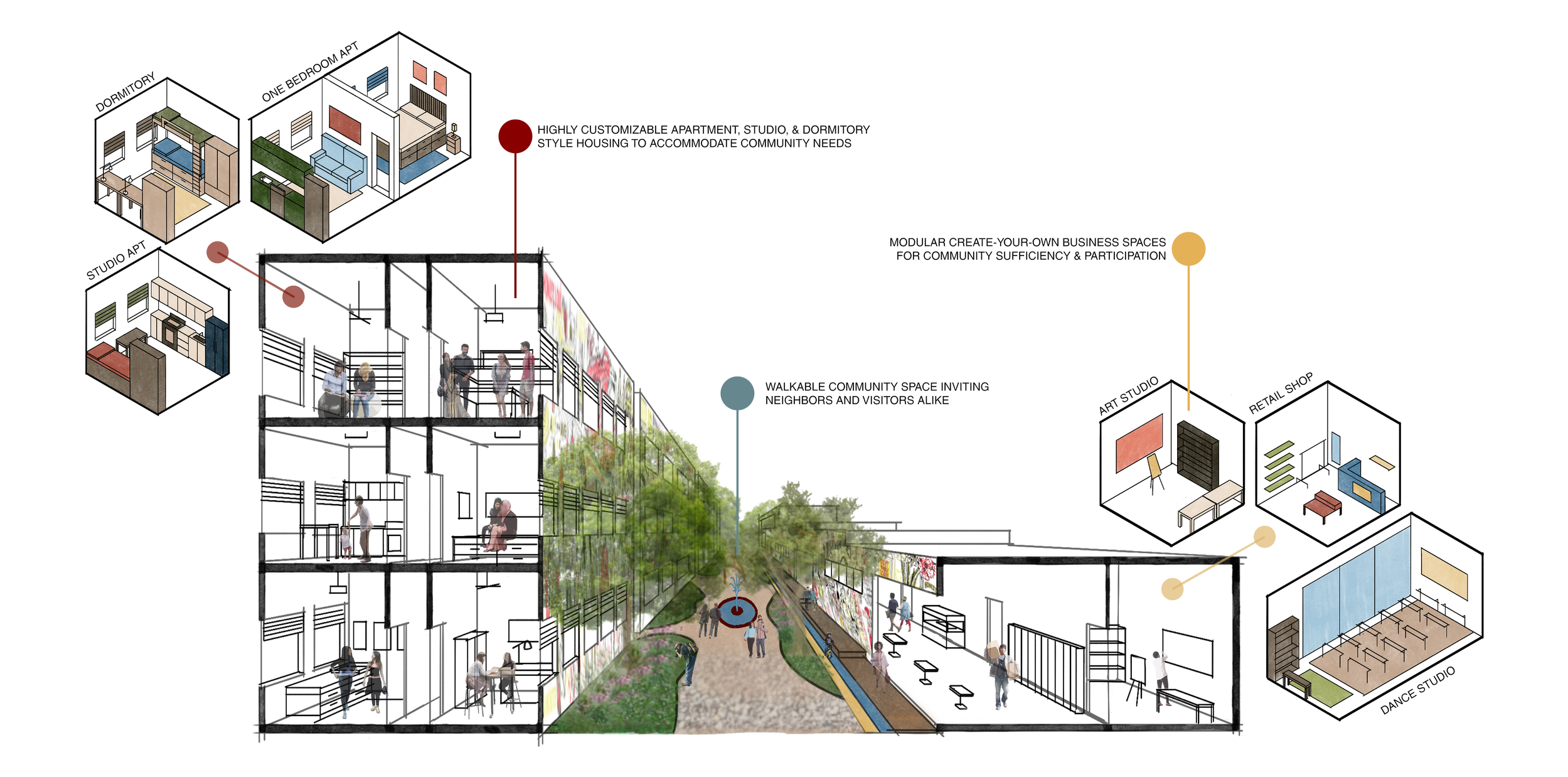
REIMAGINING & RECLAIMING COMMUNITY AMENITIES
In conjunction with the pedestrian circulation plan, I also focused on the buildings surrounding the corridor. Dormitories lend themselves perfectly to community housing. A warehouse takes inspiration from nearby BOK and becomes artists’ studios and entrepreneurs’ incubators. By building out the infrastructure needed for a highly engaged community and local commerce, we enable the development of resilient living and working places.
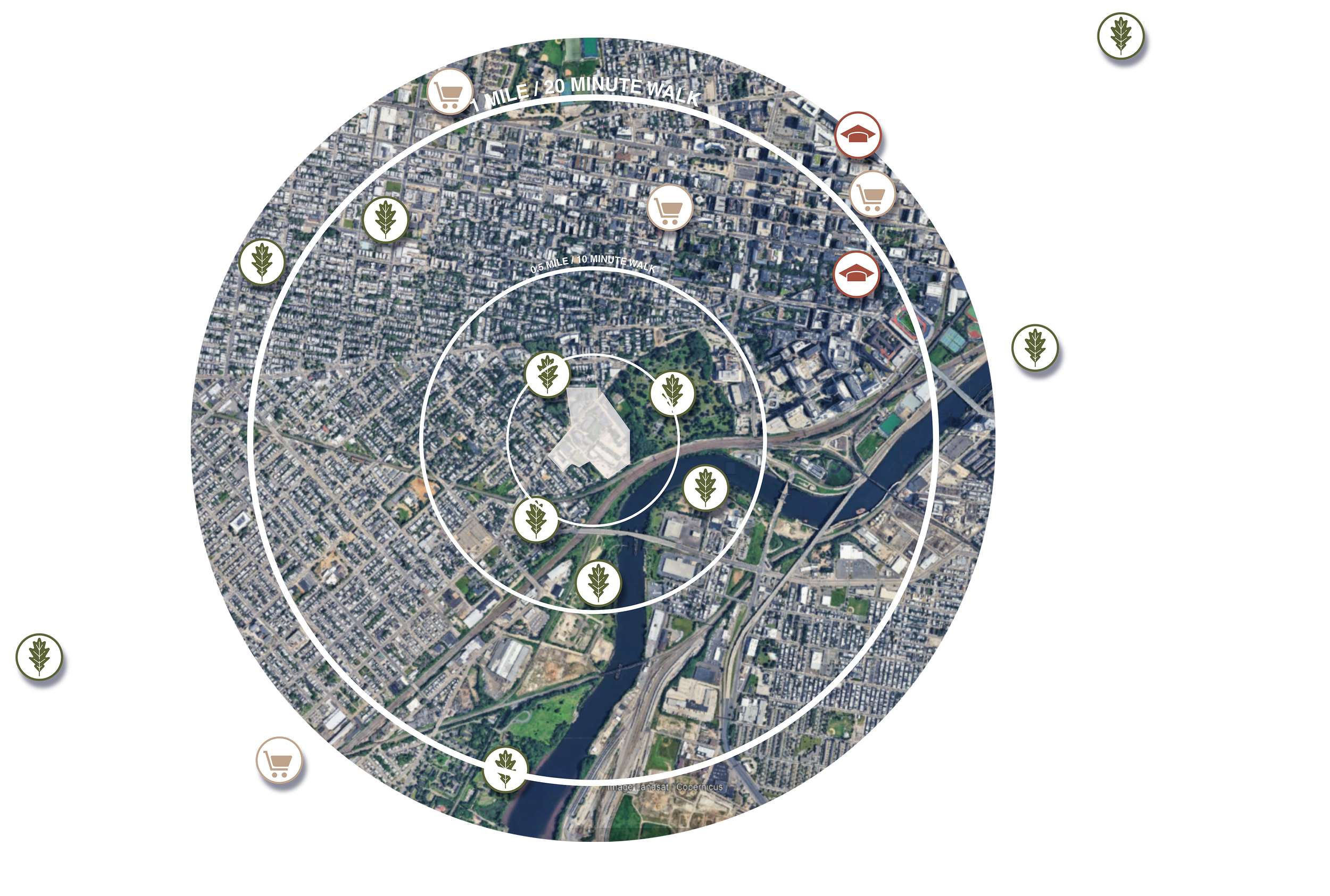
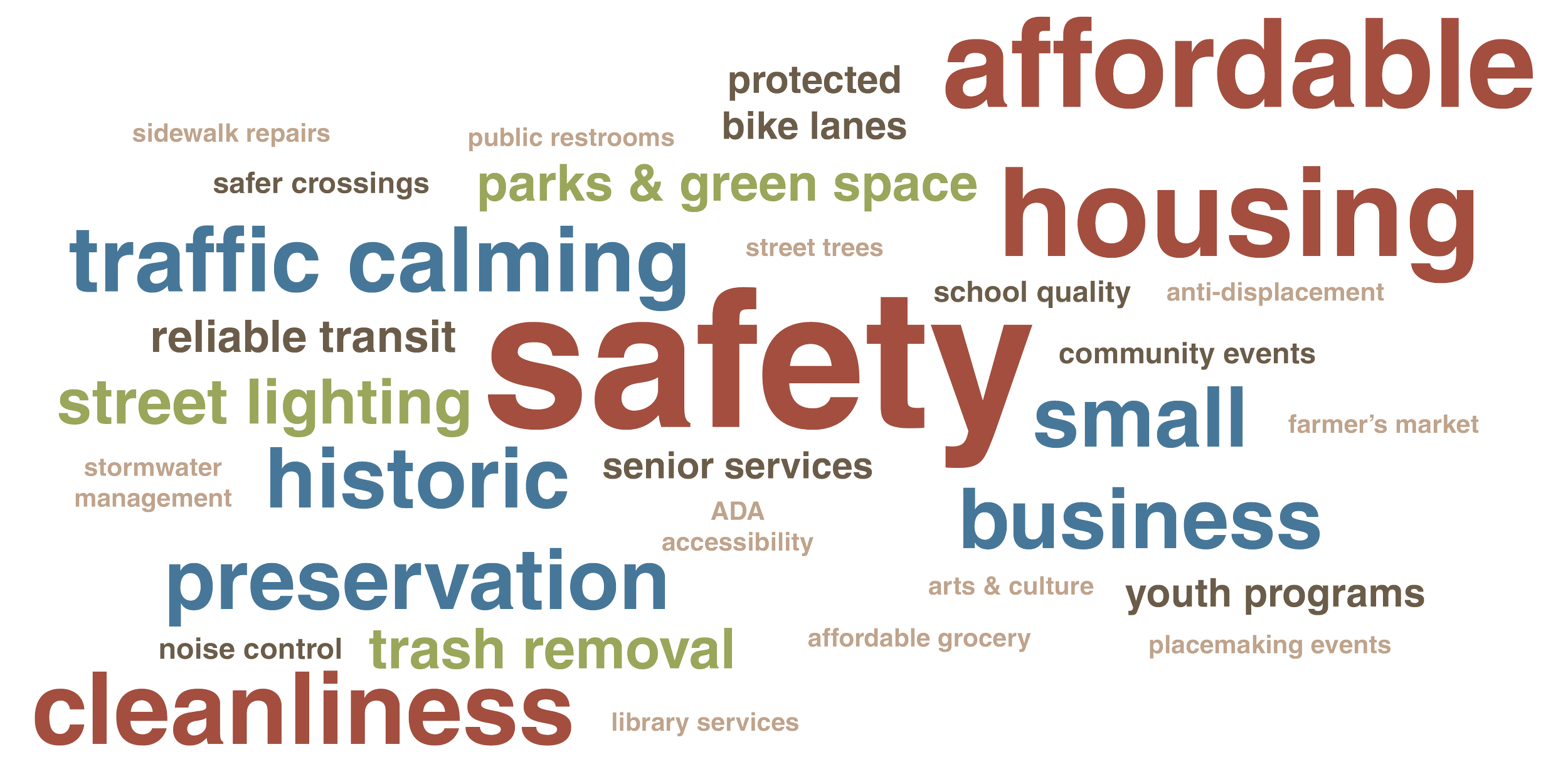
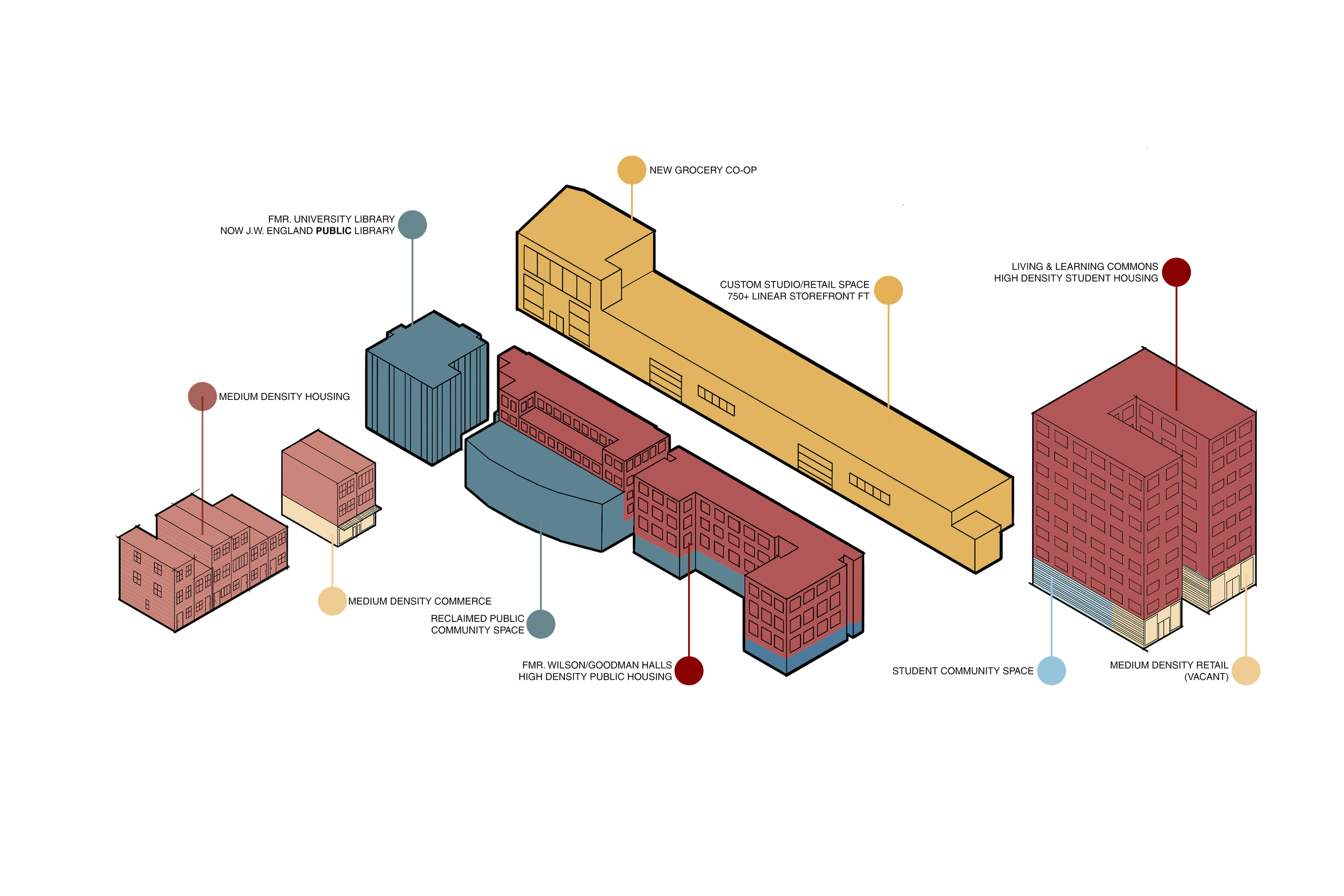
West Philadelphia has a strong community identity grounded in the elite academic institutions. But our research and engagement found that not everyone in West Philadelphia benefits from the wealth generation and community building, and often feel locked out of their local economy and institutions. By surveying residents and analyzing interviews and other qualitative data, and leveraging AI synthesis, we found that residents valued the things that uplift communities: affordable housing, small businesses, and other essential but intangible services. This proposal reimagined their existing amenities and injected highly desired and desperately needed programs.
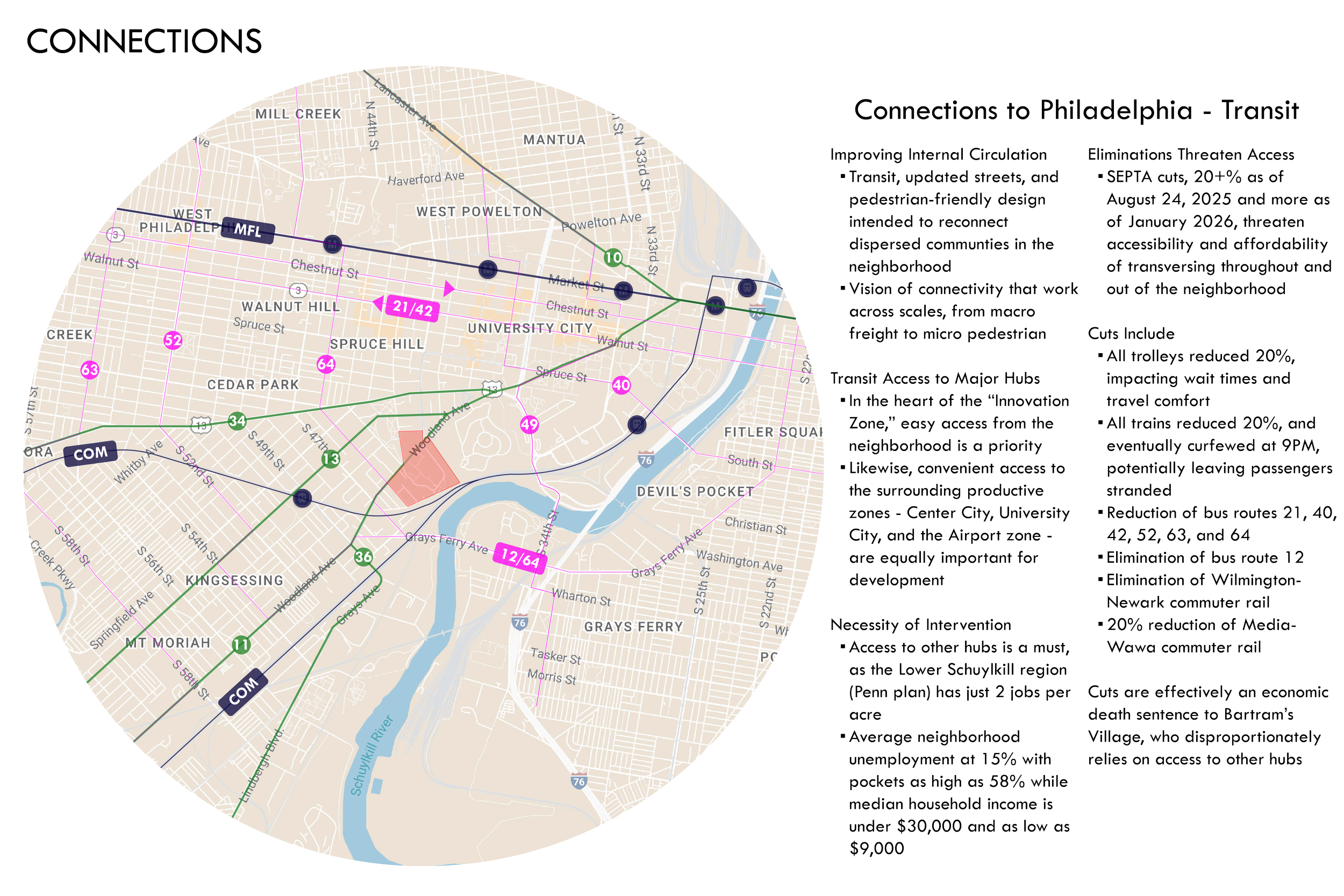
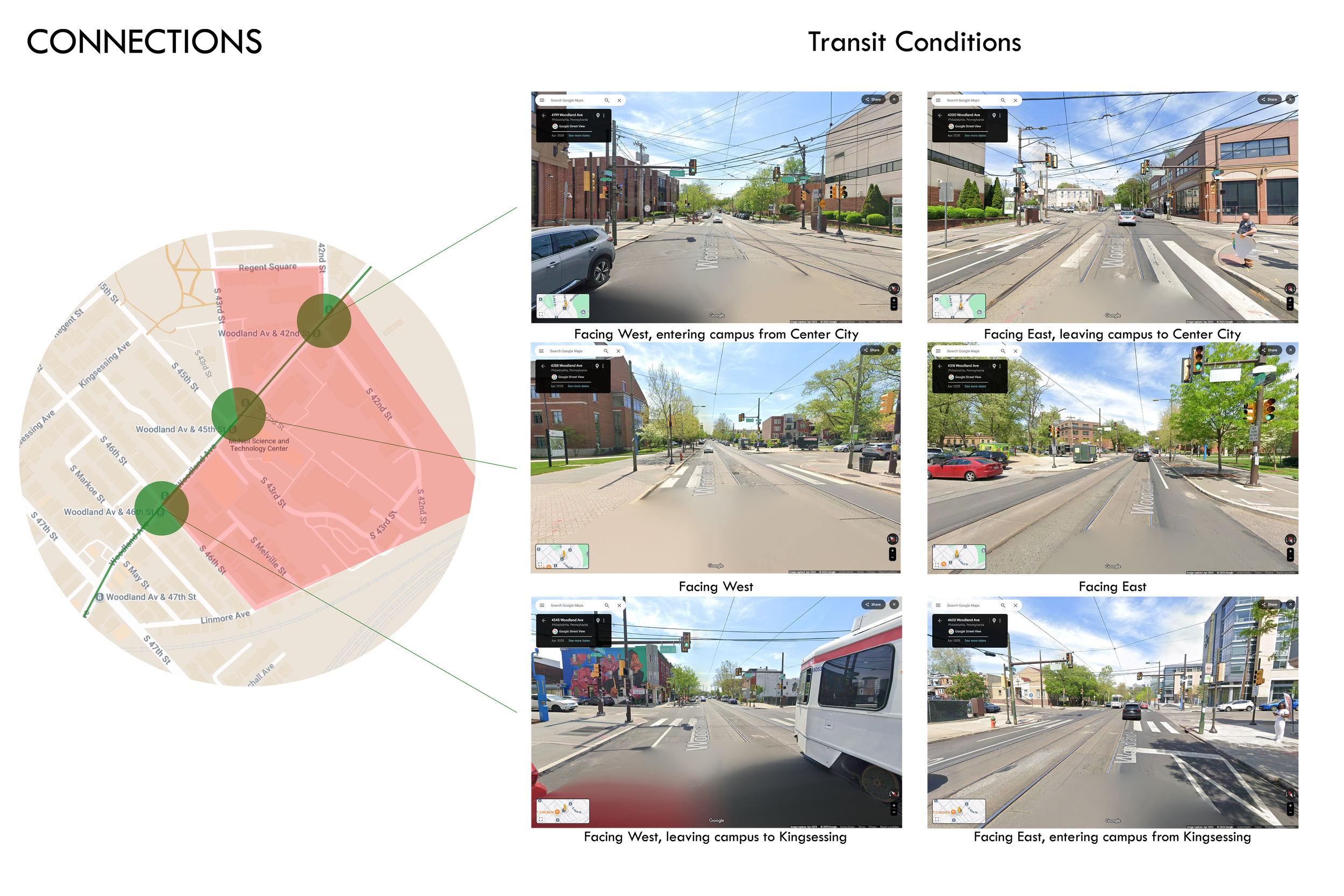
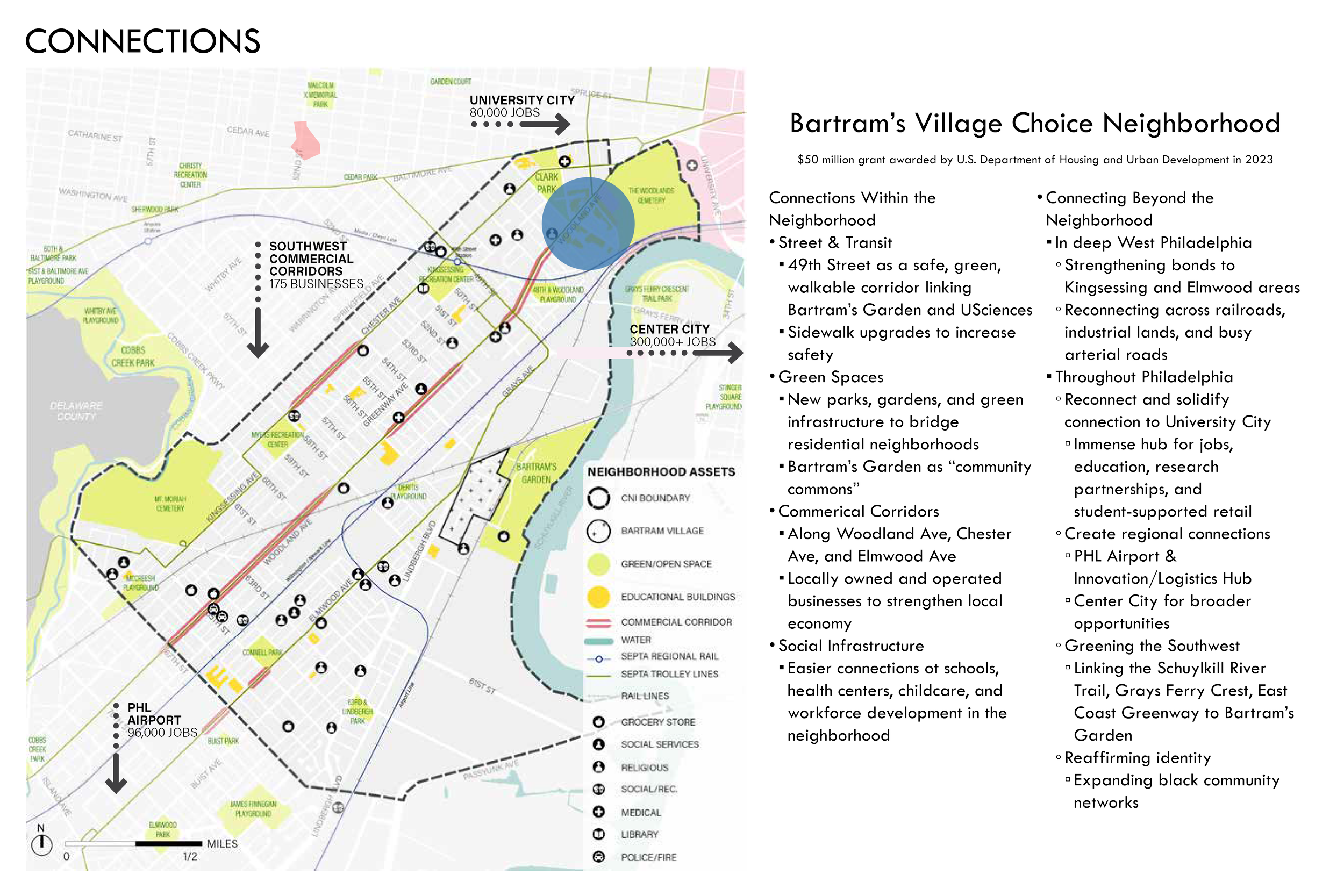
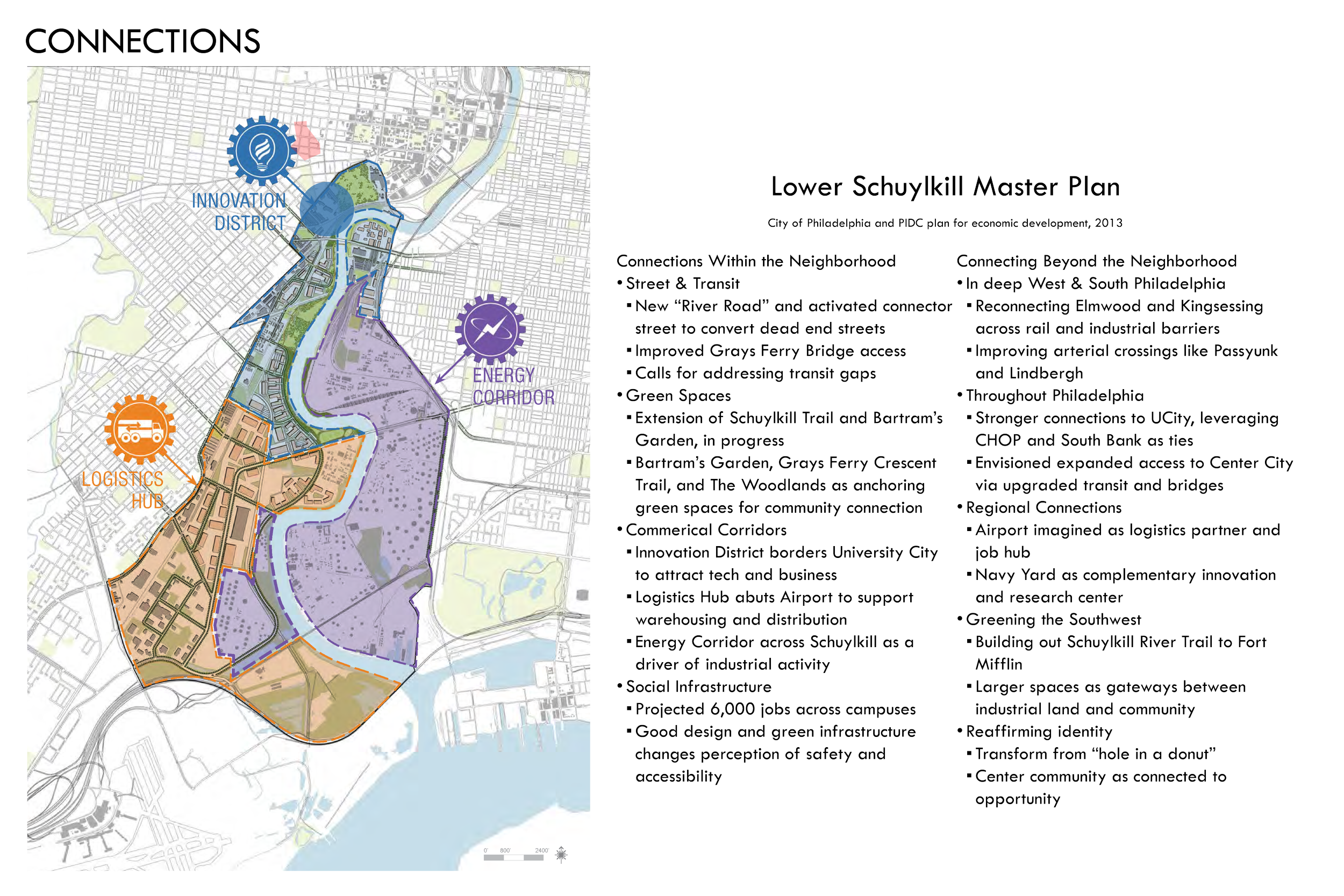
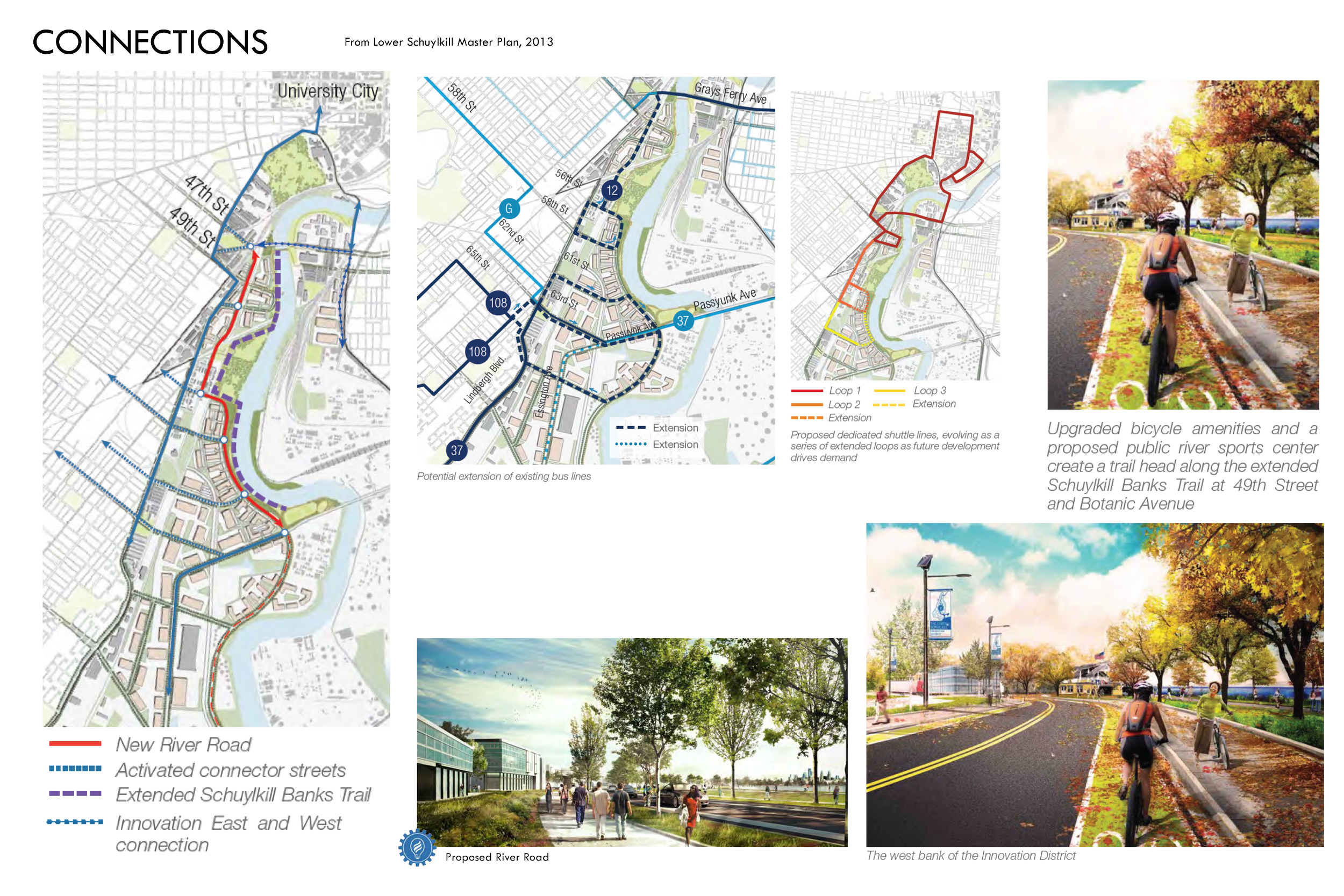
CONNECTION & TRANSIT ANALYSIS
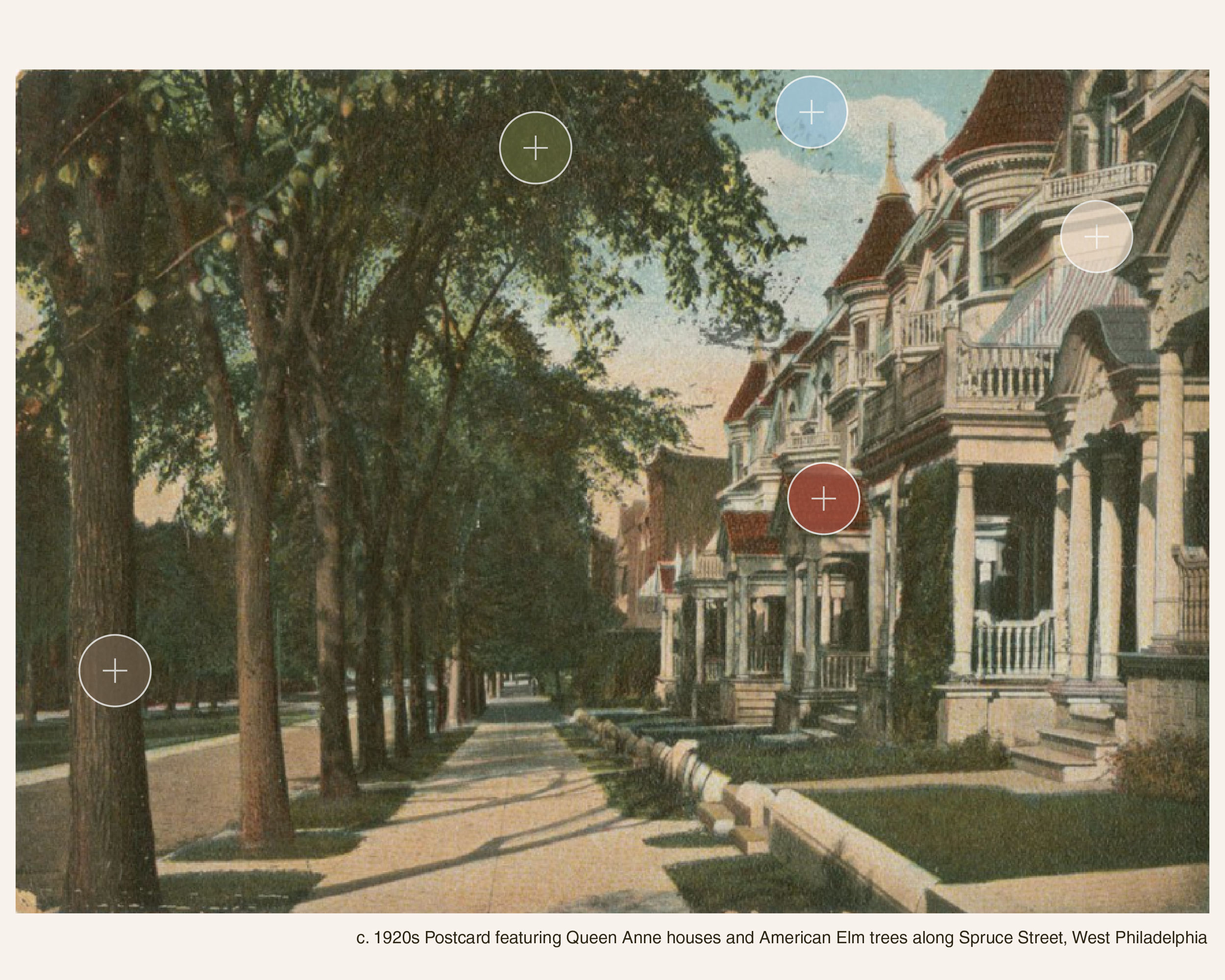
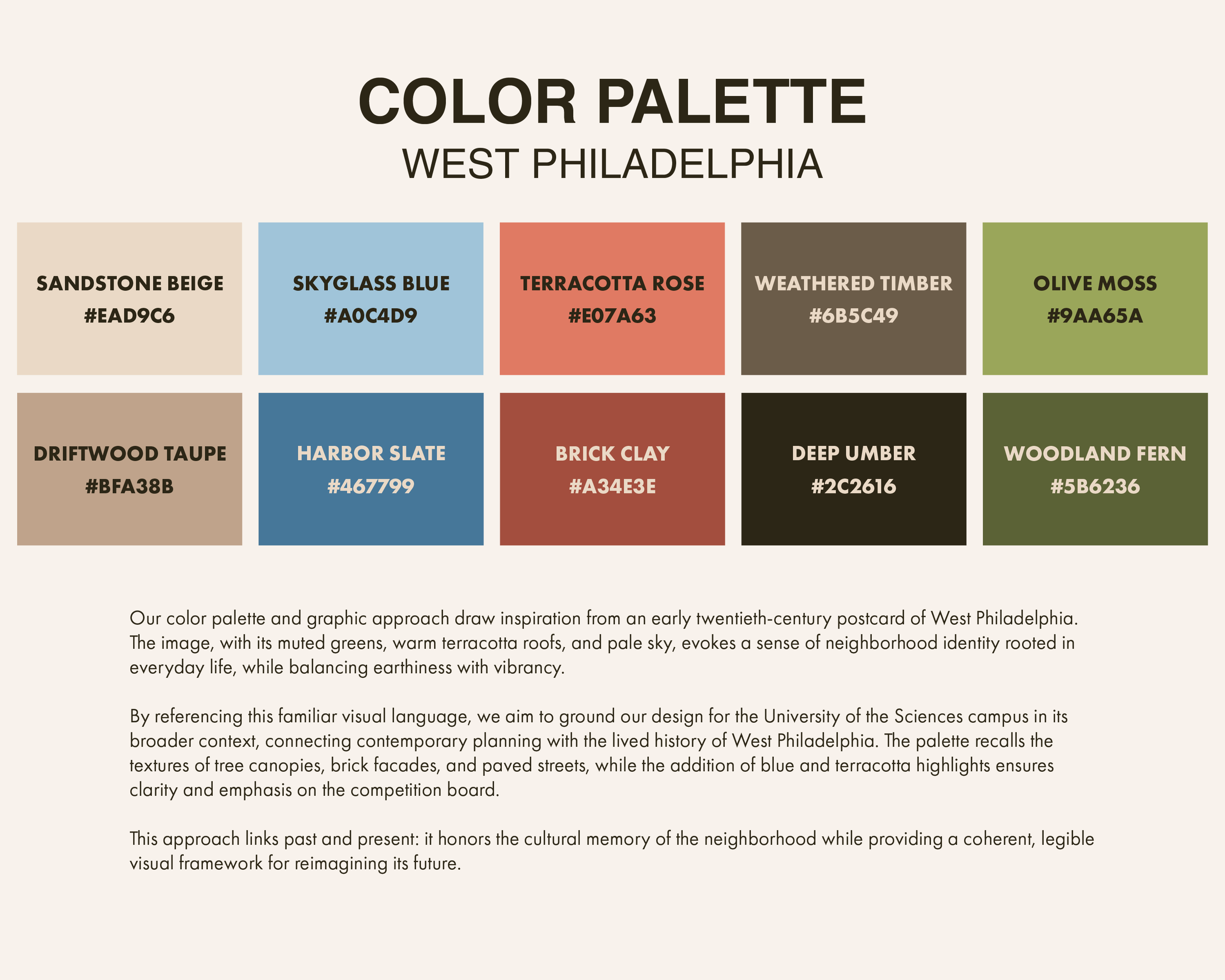
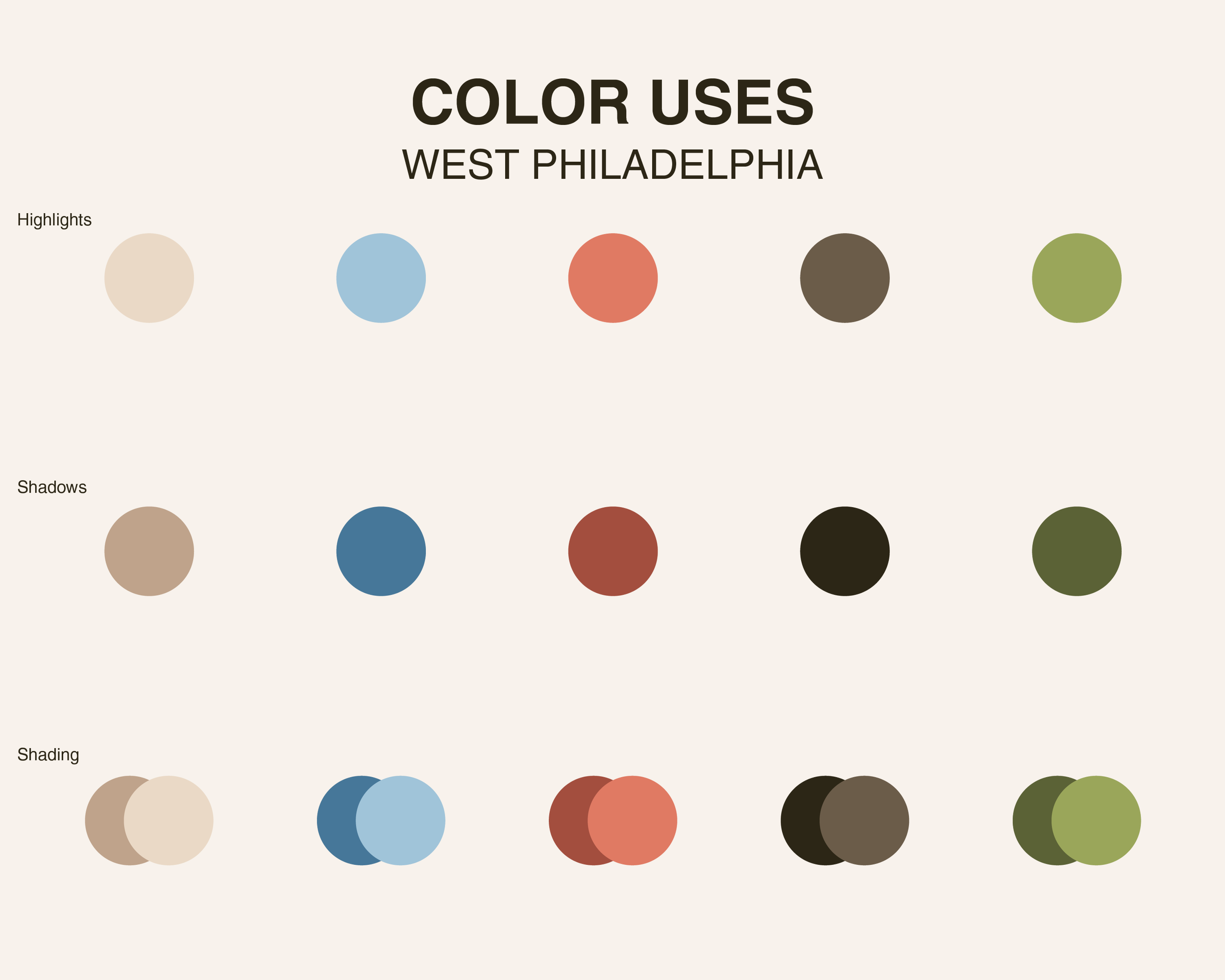
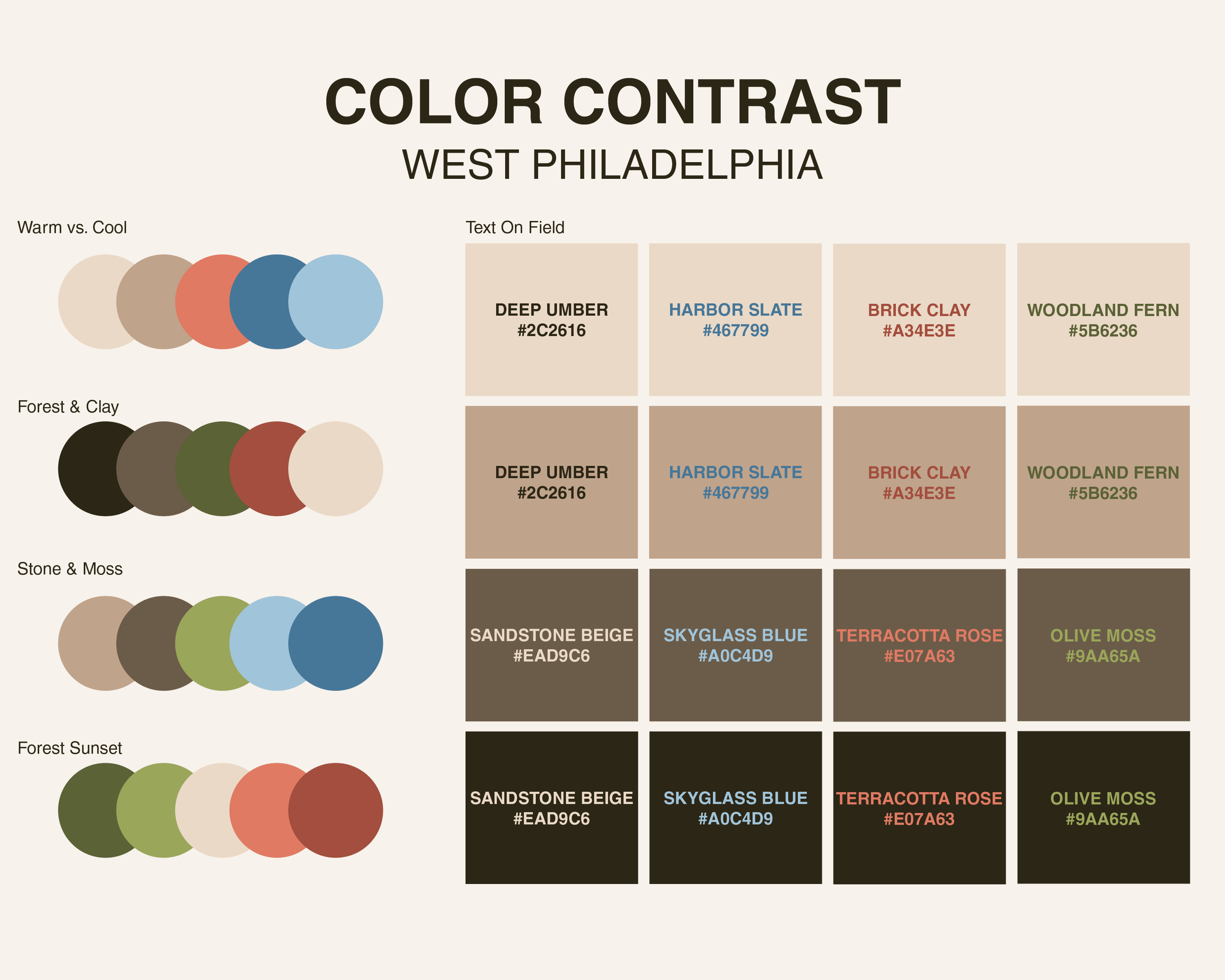
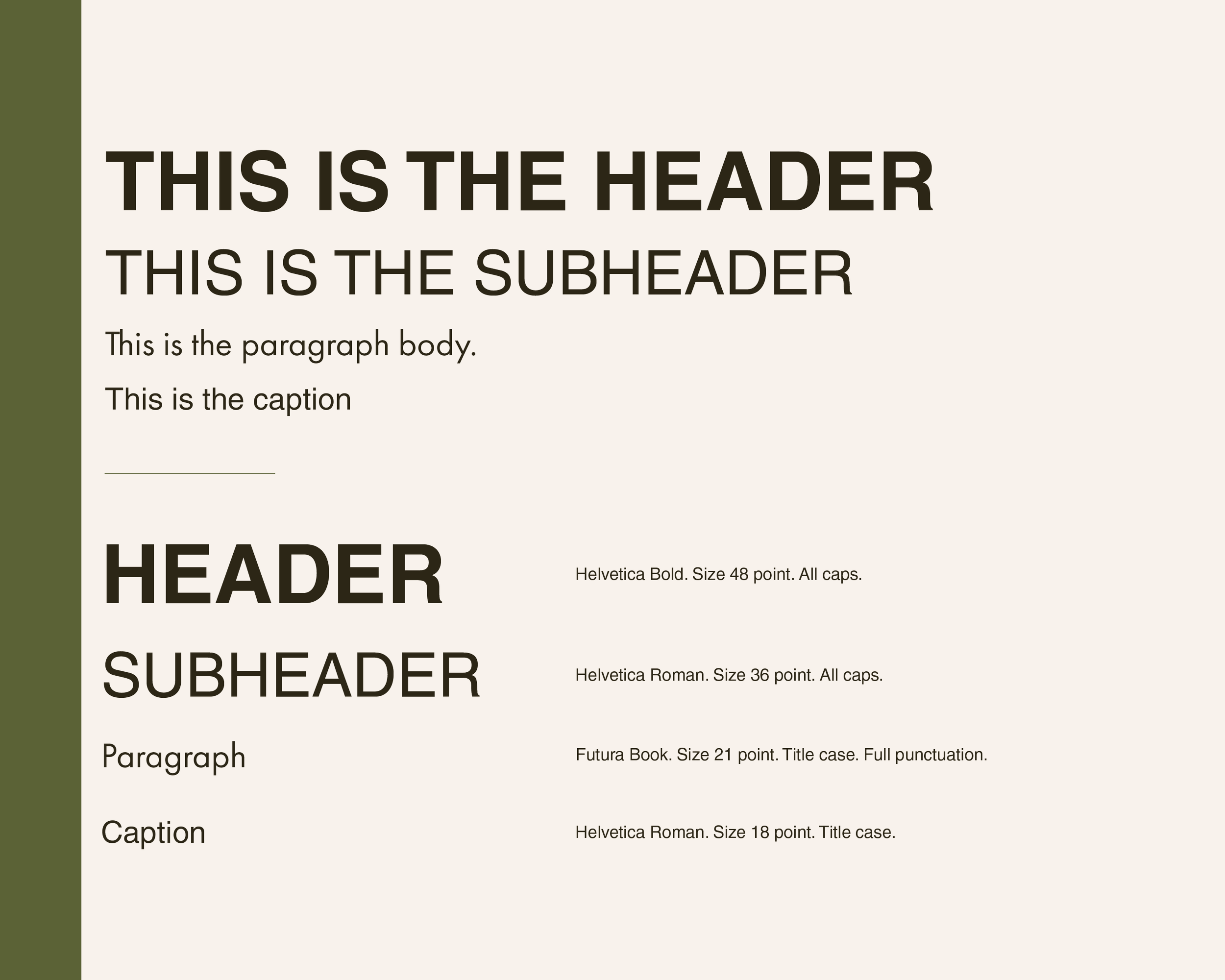
GRAPHIC STANDARDS